
"amino acids"
400 article(s) found
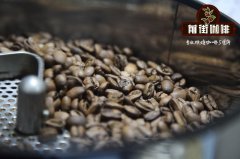
Main ingredients, protein, caffeine, chlorogenic acid and amino acids of coffee roasted raw beans
Professional coffee knowledge exchange more coffee bean information Please pay attention to coffee workshop (Wechat official account cafe_style) beans refer to coffee, the main ingredients of raw beans, protein, oligosaccharides, caffeine, chlorogenic acid, amino acids and other chemical changes caused by heat roasting, resulting in coffee beans very unique color, bitterness, rustic, sour and texture of these ingredients

Effects of regulation of sugars and amino acids on aroma components of coffee before roasting
The aroma compounds of coffee beans are mainly formed by a series of complex aroma formation reactions when the aroma precursors in coffee beans are heated.

The difference of the influence of the Green Standard of pre-Qingming Tea and Summer picking Tea on the Taste of Tea production
As we mentioned, the taste begins in the field. Scientists have identified more than 600 flavors and flavors in tea, many of which have vague and beautiful names, such as linalool and hexanol. Miraculously, tea makers can make hundreds of flavors with just six compounds in tea trees: pigments, sugars, amino acids, fatty acids, caffeine and polyphenols. These compounds are self-contained
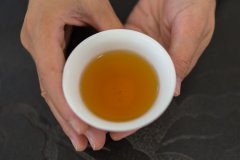
Can I drink tea overnight? What harm does drinking do to your health? You can't drink tea after brewing it several times.
When making tea, sometimes you stop brewing tea once or twice. We often wonder whether we should continue to brew it. Sometimes we may think that brewing methods, such as kung fu brewing or traditional Chinese brewing, or even the type of teapot, will determine how long the tea can be kept fresh to how many times. In my opinion, at the same time
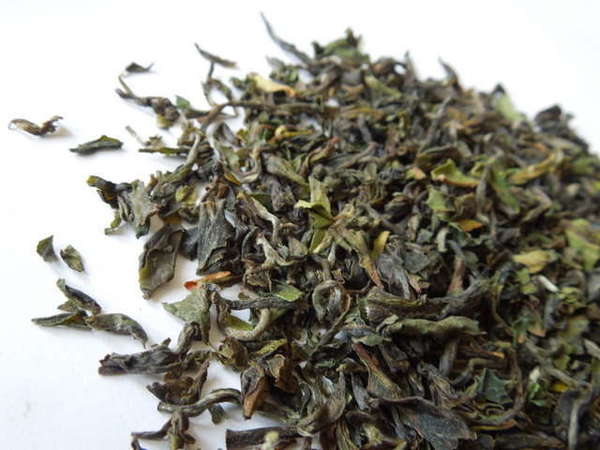
Why does black tea have honey aroma? What is the reason why black tea smells so good? The effect of what substances black tea contains on its taste
As we mentioned, the taste begins in the field. Scientists have identified more than 600 flavors and flavors in tea, many of which have vague and beautiful names, such as "linalool" and "hexanol". Miraculously, tea makers can make hundreds of flavors using only six compounds in tea trees: pigments, sugar.
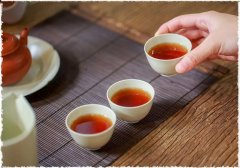
The technological process of how black tea is processed illustrates the whole fermentation process of black tea.
Although there are many variables that affect the final taste of tea in the process of making tea, oxidation is arguably the most influential step. From the beginning of tea picking, with the rupture of the cell wall, oxidation occurs, and the enzymes in the tea are exposed to oxygen in the air. The tea begins to turn brown until it is heated, the active enzyme denaturates and maintains the required oxidation level in the finished tea. What we did today

Baking basic science, browning reaction non-enzymatic browning
Following Cafe Review (official Wechat account vdailycom) found that non-enzymatic browning of Beautiful Cafe opening a small shop of its own is different from enzymatic browning. Non-enzymatic browning reactions do not require enzymes, but their reactions require heat, sugars and amino acids. There are two non-enzymatic browning reactions related to coffee roasting: caramelization (caramelization recation) and Maillard reaction.

Chemical changes in the reaction of coffee roasting which reactions are chemical changes in coffee bean roasting
Professional coffee knowledge exchange more coffee bean information please follow the coffee workshop (Wechat official account cafe_style) professional coffee roasting | coffee roasting is too complicated? A picture teaches you that there are two stages of change in the roasting process of raw beans after baking. 1 physical = volume, density, volume 2 chemical = smell, taste, taste intense coffee beans are roasted at high temperature.
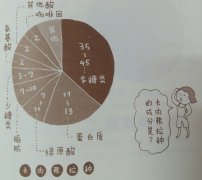
Figure out what ingredients raw coffee beans are made of.
In raw coffee beans, moisture accounts for 9% to 13%, and moisture has little effect on the aroma of coffee beans. Later, I will introduce the content of various ingredients (calculated according to the state of dried raw beans). When the share of these ingredients changes, the flavor of coffee beans will also change greatly. The most abundant ingredient in polysaccharide raw beans is polysaccharides, accounting for 35% and 4%.
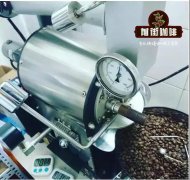
What chemical reactions take place in the process of baking beans?
Coffee itself is a kind of plant, how to show its sour, sweet, bitter, salty and other ever-changing flavor? The answer is that the raw coffee beans need to be roasted, that is, the raw coffee beans are heated in the container (roaster, hand net, etc.), and finally reach the appropriate degree of baking. Coffee beans have undergone earth-shaking changes in the process of roasting, but not just stir-fry them.
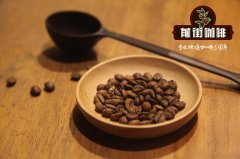
Where is the best coffee bean Arabica? Explore what is the composition of coffee beans
Professional coffee knowledge exchange More coffee bean information Please pay attention to coffee workshop (Weixin Official Accounts cafe_style) Front street-coffee bean ingredient profile Raw coffee bean composition Water: In coffee green beans, moisture accounts for 9%-13%, moisture has little effect on coffee bean aroma Polysaccharides: The largest component in green beans is polysaccharides, accounting for 35%-45%. Although it's called

[caffeic acid] what acid is in coffee?
Professional baristas Please pay attention to Coffee Workshop (Wechat official account cafe_style) Coffee contains a variety of acids, most of which can be found in agricultural products: * Amino acids such as asparagic acid, glutamic acid and leucine; higher than normal amino acid concentrations will produce sweetness. * carbolic acids such as caffeic acid, chlorogenic acid and quinic acid; the concentration of carbolic acid is higher than normal

Why do coffee beans turn brown after roasting? Why is there an aroma?
Coffee beans are light green and turn brown when roasted. This baking characteristic brown mainly comes from the brown pigment produced by oligosaccharins, amino acids and chlorogenic acids. The so-called brown pigment does not refer to a color or ingredient, but a general term for the many ingredients that make coffee different colors. Raw beans gradually change color during baking because of the total amount of brown pigment

Coffee with a huge weight loss effect? L-coffee? Efficacy and principle, advantages?
Professional coffee knowledge exchange More coffee bean information Please pay attention to coffee workshop (Weixin Official Accounts cafe_style) L-coffee ingredients 1. High-speed L-carnitine--a kind of amino acid nutrients, the main role is to burn fat effectively and promote energy metabolism. 2, Brazilian black coffee---not only can consume excess fat in the body, but also inhibit the absorption of new fat, control

Analysis of main components of cooked Coffee beans in Yunnan
Follow Ka Pin (Wechat official account vdailycom) found that the beautiful cafe opened a small shop of its own-Shenyang, the birthplace of China, has a lot of authentic cuisine. There is a melting pot of culture. the ancient city with a history of more than 5000 years, the first capital of the Qing Dynasty, was once called Xishui, Fengtian, Shengjing and so on. There are Hui, Xian and Japanese communities there.
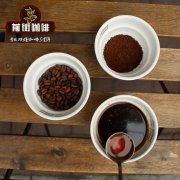
What chemical reaction changes will take place during the roasting process of coffee beans? What happened to the roasting of coffee beans
Professional coffee knowledge exchange more coffee bean information please follow the coffee workshop (Wechat official account cafe_style) coffee beans in the roasting process what chemical reactions will take place? What happened to the roasting of coffee beans? Sucrose: melting point 187.8 ℃-sugar? The conjugate = caramelization-water CO2 escapes to produce an explosive First Crack phenomenon. I measured the bean temperature 190 in the drum bean of the baking machine.

Changes in the roasting of coffee beans: why do coffee beans turn brown after baking? Why is there an aroma?
Coffee color change factors: coffee beans are light green, roasted will turn brown. This baking characteristic brown mainly comes from the brown pigment produced by oligosaccharins, amino acids and chlorogenic acids. The so-called brown pigment does not refer to a color or ingredient, but a general term for the many ingredients that make coffee different colors. Raw beans will gradually change color during baking.

What's wrong with my caffeic acid? why does coffee turn sour? what is good coffee?
Professional barista communication Please pay attention to coffee workshop (Wechat official account cafe_style) Coffee contains all kinds of acids, most of which can be found in agricultural products: amino acids such as asparagic acid, glutamic acid and leucine; the concentration of amino acids exceeds the normal value, it will produce sweetness. Carbolic acid such as caffeic acid, chlorogenic acid and quinic acid; the concentration of carbolic acid is higher than normal.
A brief Analysis of the Origin and Flavor characteristics of Robosta Coffee Bean
Professional coffee knowledge exchange more coffee bean information please follow the coffee workshop (Wechat official account cafe_style) front street-Robusta varieties, chlorogenic acid composition introduction Robusta originally only Arabica coffee, but at the end of the 19th century, a major pest occurred, coffee growers began to explore pest-resistant coffee varieties, resulting in Robusta

What is the difference between the taste characteristics of Anji black tea and Anji white tea?
New and chic black tea with aromas of malted grain, mellow fruit and honey sweetness. Anji red is made from the same amino acid-rich variety as Anji white tea and green tea. Angel Red in 2021 maintains the characteristics of the glycol black tea you saw last year. The demand for this kind of tea is very strong, so I